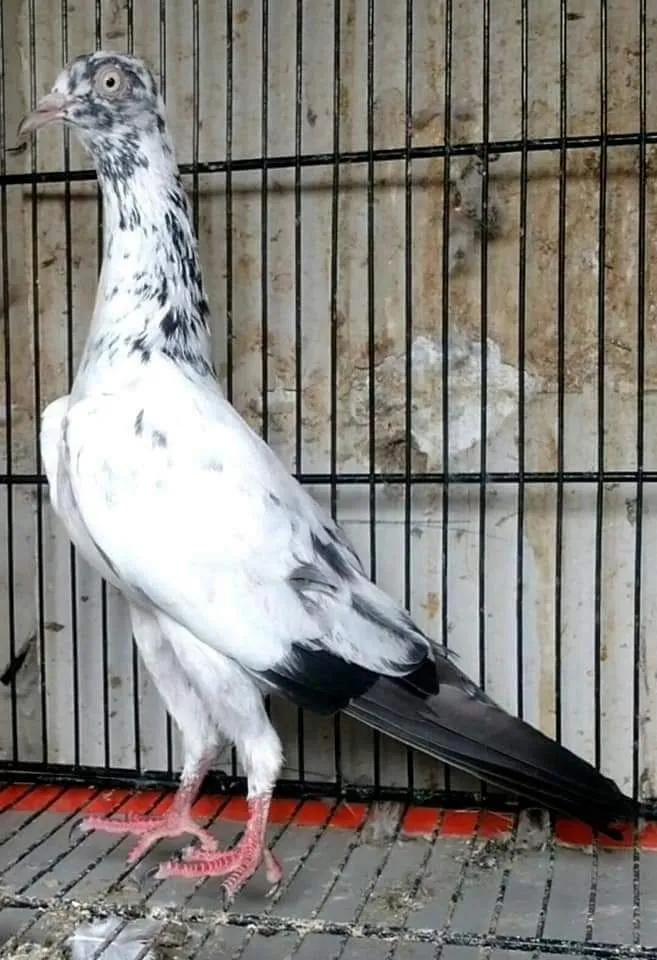
Saranpuri pigeons—also known as Saharanpur kabootar—have recently gained strong popularity among pigeon fanciers across Pakistan, India, and Nepal. Known for their balanced structure, attractive appearance, and premium bloodline, this strain has quickly become a favorite among serious breeders.
In this article, we will explore the true origin, characteristics, breeding practices, and market reality of Saranpuri pigeons based on real breeder insights.
🕊️ Origin of Saranpuri Pigeons
Saranpuri pigeons originate from Saharanpur, India, and are considered a developed strain rather than an ancient natural breed.
One of the most important historical facts about this strain:
- Saranpuri pigeons were introduced into Pakistan around March 2019
- The initial import consisted of only 8 adult pigeons
- Importing them required nearly 3 years of effort due to strict restrictions on exporting live birds from India
Because of this limited initial stock, most Saranpuri pigeons in the region today trace back to a very small founder bloodline.
🧬 What Makes Saranpuri Pigeons Unique?
Unlike some pigeon strains that are defined by a single feature, Saranpuri pigeons are valued for their complete package of qualities:
- Strong and balanced body structure
- Attractive and expressive eyes
- Rich and clean color combinations
- Overall harmony in appearance
👉 In simple terms:
Saranpuri = Structure + Eye + Color + Balance
🧱 Physical Characteristics
Body Structure
- Medium to strong body
- Well-balanced proportions
- Clean and upright posture
- Good chest development
Head & Beak
- Smooth, proportionate head
- Balanced beak (not too short or too long)
Eyes
- Bright and attractive
- Adds to overall beauty
- Important, but not the only defining factor
🎨 Colors and Variations
Saranpuri pigeons come in multiple variations, including:
- Topidar (cap-type patterns)
- Plain head types
- Deep/dark-toned pigeons
- Red shades (Topi Lal)
- Patterned variations
However, an important detail often overlooked:
👉 The original imported birds did not include all color types (such as jet black or full blue).
Many of these colors seen today may have been introduced later through breeding or crossing.
⚠️ Purity: The Most Important Factor
Purity is the biggest concern when it comes to Saranpuri pigeons.
✅ Pure Saranpuri
- Comes from original or well-maintained bloodline
- Consistent in structure, eye, and color
- Produces predictable offspring
❌ Crossbred Saranpuri
- Mixed with other breeds (e.g., local or Sialkoti pigeons)
- Loses original quality
- Inconsistent results in breeding
👉 Major issue in the market:
Many breeders cross pigeons but still sell them as “original Saranpuri”, which creates confusion and reduces trust.
🧪 Breeding Practices
Recommended Approach (Serious Breeders)
- Focus on line breeding
- Maintain purity of original traits
- Avoid unnecessary crossing
Common Mistake
- Crossing for quick results or new colors
- Selling crossbred pigeons under original name
👉 Important insight:
Once purity is lost, it is very difficult to recover the original quality.
💰 Market Value & Pricing
Saranpuri pigeons are often considered premium birds, and their price depends on:
- Bloodline purity
- Body structure quality
- Eye appeal
- Color richness
- Breeder reputation
👉 Two pigeons may look similar, but:
- A pure-line Saranpuri can be significantly more valuable
📌 Final Thoughts
Saranpuri pigeons are a modern, high-potential strain with growing demand in the pigeon community. Their value lies not just in looks, but in the careful preservation of their bloodline.
However, the biggest challenge today is maintaining purity in a market full of crossbreeding.
If preserved correctly, Saranpuri pigeons can become one of the most premium and stable strains in South Asia.
🔎 Quick Summary
- Origin: Saharanpur (India)
- Introduced via limited imported stock
- Defined by: Structure + Eye + Color balance
- Highly sensitive to crossbreeding
- Premium value depends on purity
If you are serious about pigeon breeding, Saranpuri is a strain worth investing in—but only if you focus on quality, not shortcuts.